
Cultural traditions and local events in Mallorca during the autumn are a blend of ethnological displays, craft fairs, and patron saint festivities aimed at celebrating the end of the agricultural cycles and showcasing authentic Balearic heritage. In a crowd-free, peaceful setting, these festivities offer travellers a direct and genuine immersion into seasonal gastronomy, traditional craftsmanship, and the living history of northern municipalities such as Pollença, Alcudia, and Inca.
A cultural metamorphosis and northern Mallorca’s residential model
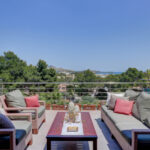
As the peak summer temperatures drop, Mallorca undergoes a structural shift towards cultural immersion and slow travel. Historic town centres regain their traditional buzz through themed fairs (fires), many of which have preserved their original formats and charters since the Middle Ages. According to local real estate analysis, 75% of the accommodation on offer in the north consists of private houses and villas. This is a key factor when planning your trip: staying in a private villa allows you to organise your cultural itineraries with total independence and absolute privacy.
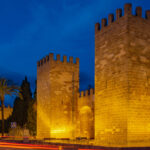
The strategic location of towns like Pollença makes it effortlessly easy to access the heritage trails of northern Mallorca. This allows you to beautifully combine visits to traditional events with archaeological sites—such as the Roman City of Pollentia or the medieval defensive walls—far from the summer heat and the bustling crowds.
Autumn fairs and events
The following list showcases the most prominent events to help you discover the true Balearic identity during the autumn months, categorised by focus and timing for seamless itinerary planning:
- Sa Fira d’Alcudia: held in early October within the 14th-century walled enclosure, this fair combines agricultural and commercial exhibits with the iconic Gegants i Capgrossos (giants and big-heads) parades.
- Fira de Tardor in Pollença: taking place in November around the historic Calvary steps, this is the island’s benchmark for traditional textile craftsmanship (telas de llengües) and pottery.
- Dijous Bo in Inca: held on the second Thursday of November, this is the most important agricultural and commercial fair in the Balearic Islands, drawing thousands of visitors around livestock and leather goods.
- Fira de l’Oliva in Caimari: nestled at the foothills of the Serra de Tramuntana in November, this fair focuses on the traditional pressing process and the tasting of the prestigious Oli de Mallorca (Denomination of Origin olive oil).
- Fira del Bolet in Mancor de la Vall: at the end of November, this event pays tribute to local mycology, making it the finest place to buy and taste the highly sought-after esclata-sangs (local wild mushrooms).
Integrating seasonal gastronomy and wellness
The festive calendar is intrinsically linked to the flavours of Mallorca. During these months, culinary experts and local markets focus heavily on farm-to-table, zero-kilometre produce. The fairs act as a direct channel to purchase top-tier ingredients such as:
- Artisan Sobrasada: traditionally made during the matances (pig slaughter). The variety seasoned with local tap de cortí paprika is an absolute standout.
- Vegetables from Sa Pobla’s orchards: a major hub for producing potatoes, pumpkins, and vegetables used in hearty local dishes like arròs brut or traditional Mallorcan soups.
- Extra Virgin Olive Oil: Oli de Mallorca is the undisputed pillar of the island’s Mediterranean diet and the star of November’s tasting sessions.
Pairing the discovery of these local products with wellness tourism in northern Mallorca represents the ultimate low-season travel formula. After an immersive day exploring artisan fairs, returning to a property managed by Pollentia Rentals ensures a peaceful, restorative rest in a secluded setting. The natural drop in light and noise pollution during the autumn acts as a soothing catalyst to help regulate your circadian rhythm.